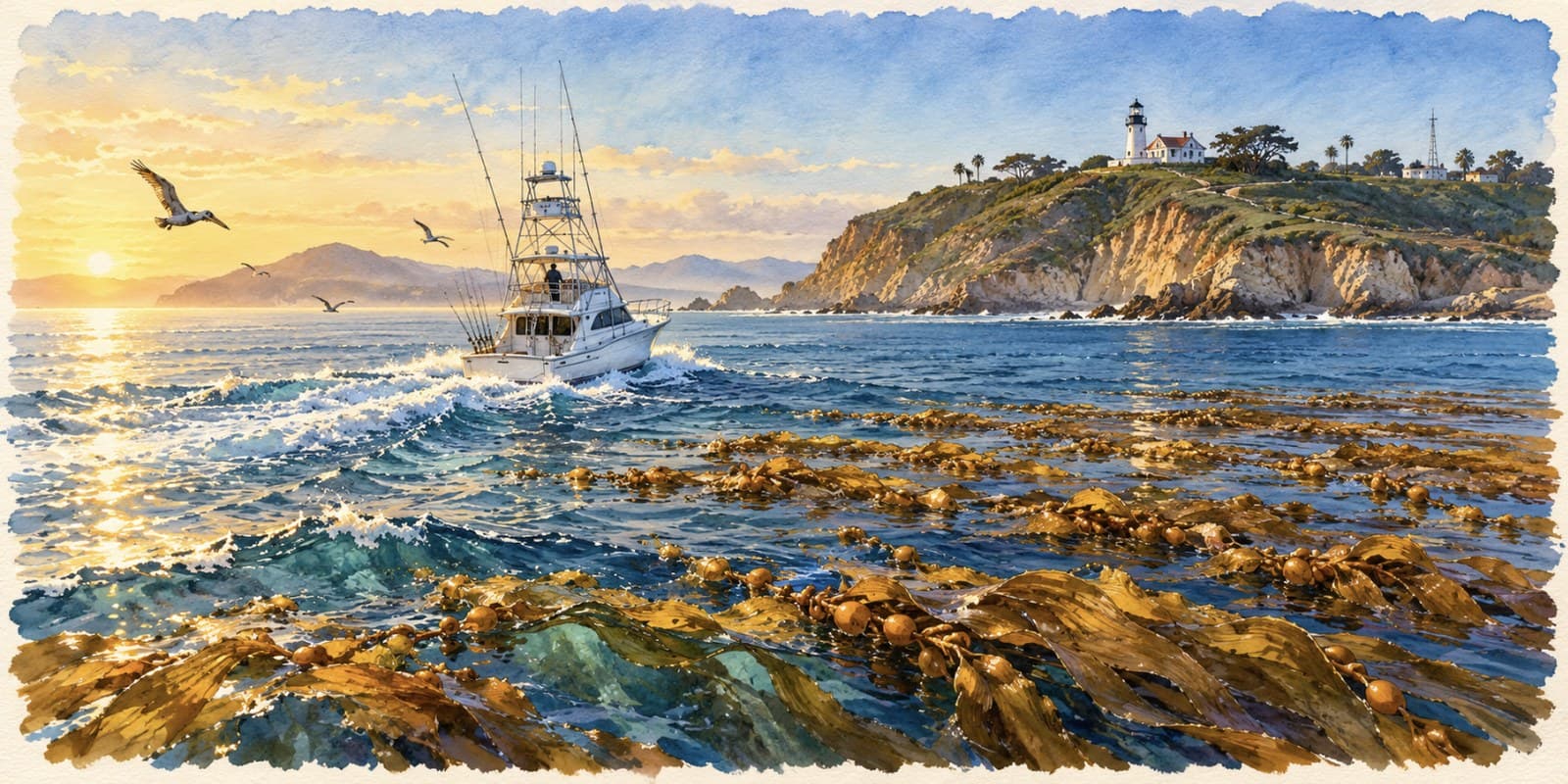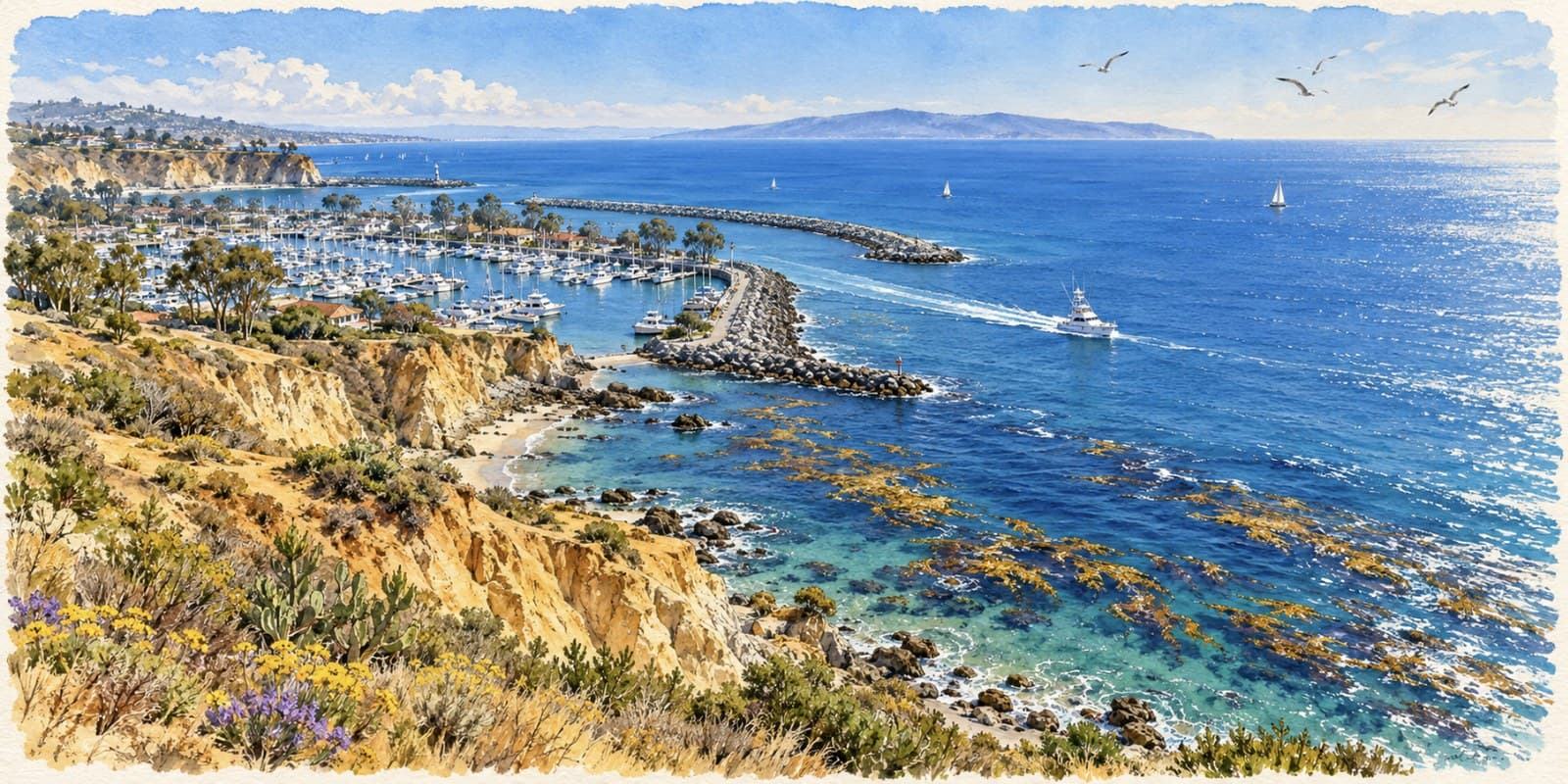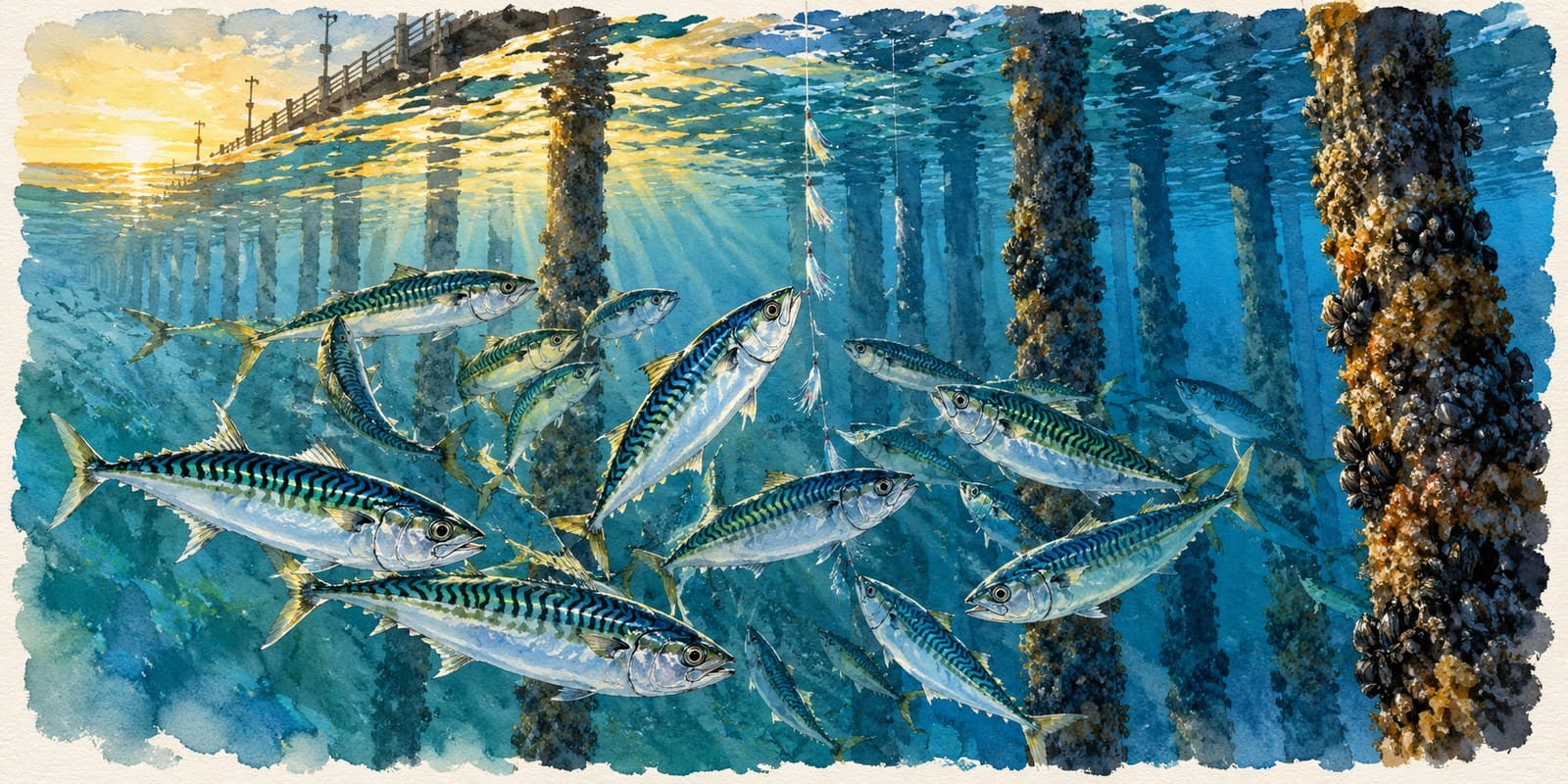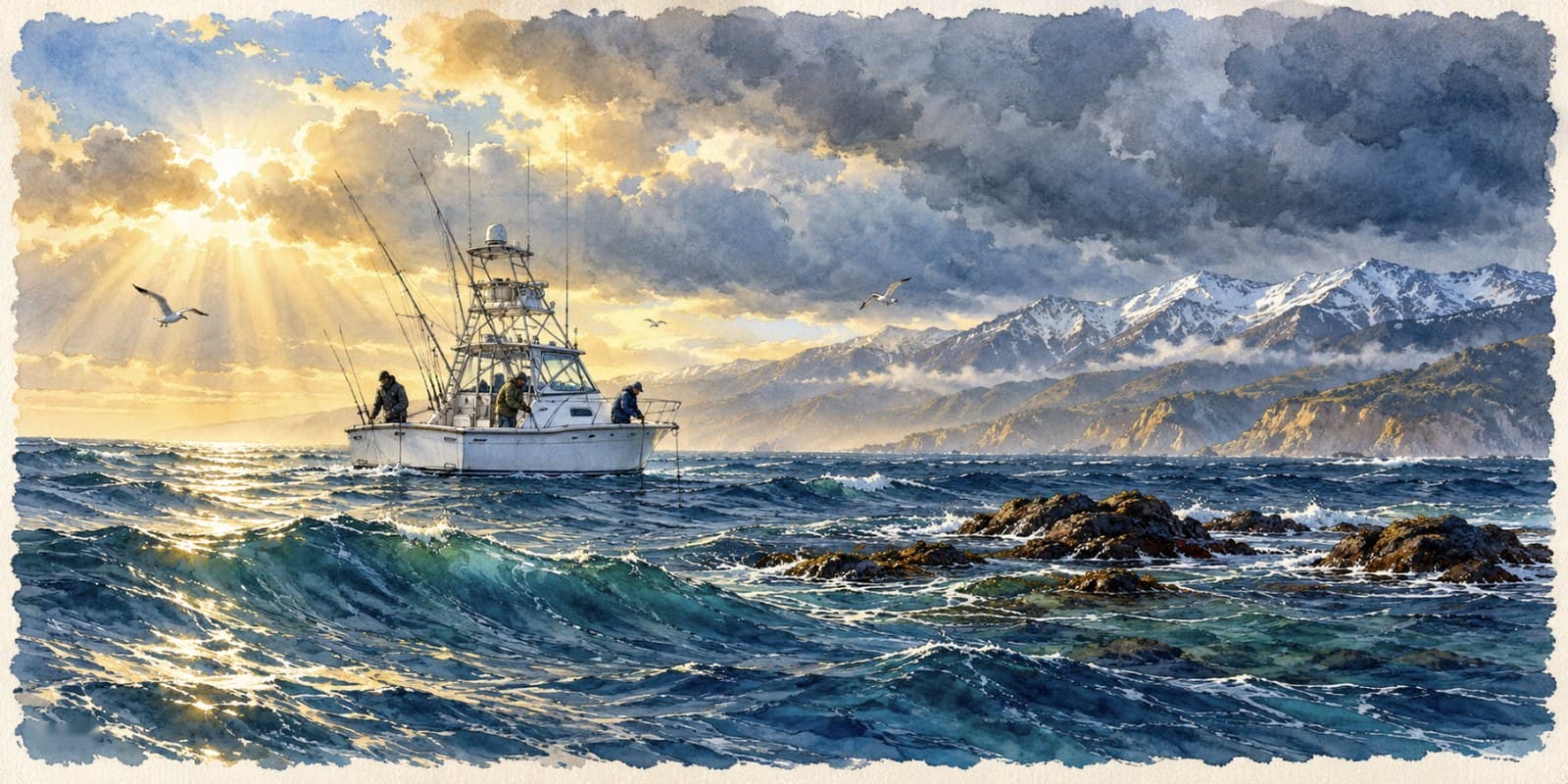
Sometime in November the Southern California fleet changes shape. The tuna boats stop running, the paddies thin out, and the fish counts on the landing boards get shorter. A lot of anglers put the rods away until spring.
They do not have to. Winter is a smaller season with fewer choices, but it is not empty. The fish that live here all year are still here, a few warm-water fish hang on at the south end, and some of the best days of the year come in the gaps between storms. This is what is still worth chasing from about November through March, and how to pick the days.
Why the bite shrinks
The warm-water fish that make the summer, yellowfin, dorado, most of the yellowtail, came up from the south with the warm water. When the surface cools, they go back with it. What is left is the resident fishery: the reef fish, the bay fish and the bottom fish that never left.
Winter also brings weather. Storms come through with south wind ahead of them and northwest wind behind, and the swell can stay up for days after the sky clears. Big rain sends runoff out of the rivers and storm drains, which muddies the near shore and carries bacteria; local health agencies usually advise staying out of the water near outlets for a few days after a storm. The fishing windows are real, but they are shorter and they move.
The south end keeps going longest
The season retreats south, and San Diego is the last place it leaves.
- Coronado Islands yellowtail. Some yellowtail stay around the islands through the cold months. It is slower and far less consistent than summer, but it does not switch off the way it does farther north. Why the Coronados hold the longest season covers the reasons, and the Mexican licence you need to fish them.
- Bluefin that stay. In some years bluefin linger offshore well past the yellowfin. Whether they do, and how far out, changes year to year. Fall bluefin covers how that usually plays out.
Neither is something to plan a winter around. Both are worth knowing about when the water stays warmer than it should.
Rock and bottom fish, inside the rules
For a lot of the coast, winter fishing means bottom fishing. Rockfish, lingcod and sculpin are the backbone of the cold-month half days and the deeper trips.
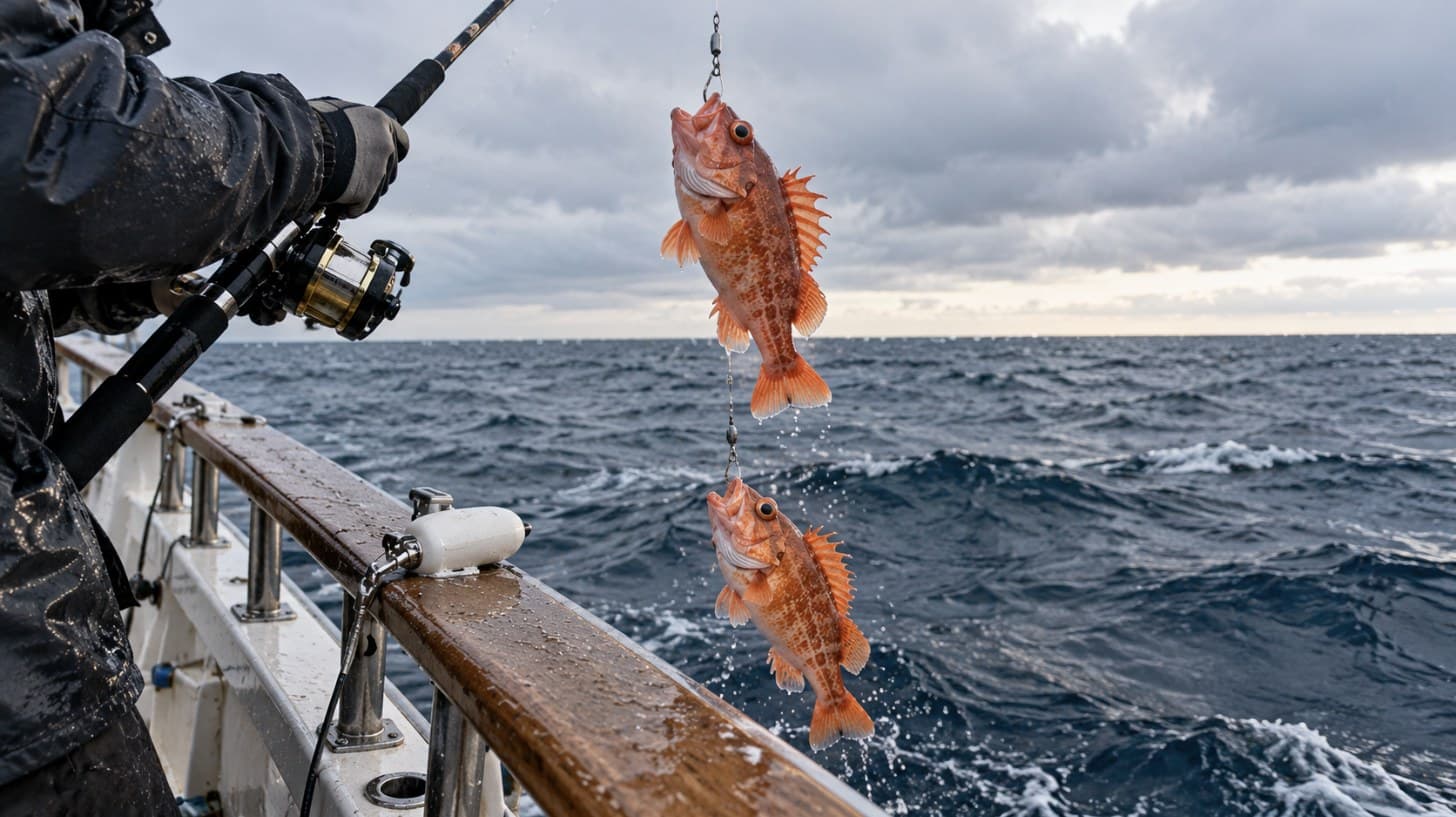
The catch is that this is when the rules are tightest. CDFW sets groundfish seasons and depth limits by management area, the nearshore and the deeper species can run on different schedules, and part of the winter is closed altogether. The rules also change from year to year and sometimes in season. Do not go by last winter: read the current CDFW groundfish summary before every trip, and ask the landing what the boat can legally target that day.
When the season is open, winter is lingcod time. They come inshore to spawn, and the males guard the nests through the coldest months. Lingcod in winter explains what that means for where you find them and which fish you keep. For the gear, see rockfish rigs, and carry a descending device for anything you release from deep water.
The bays and harbors
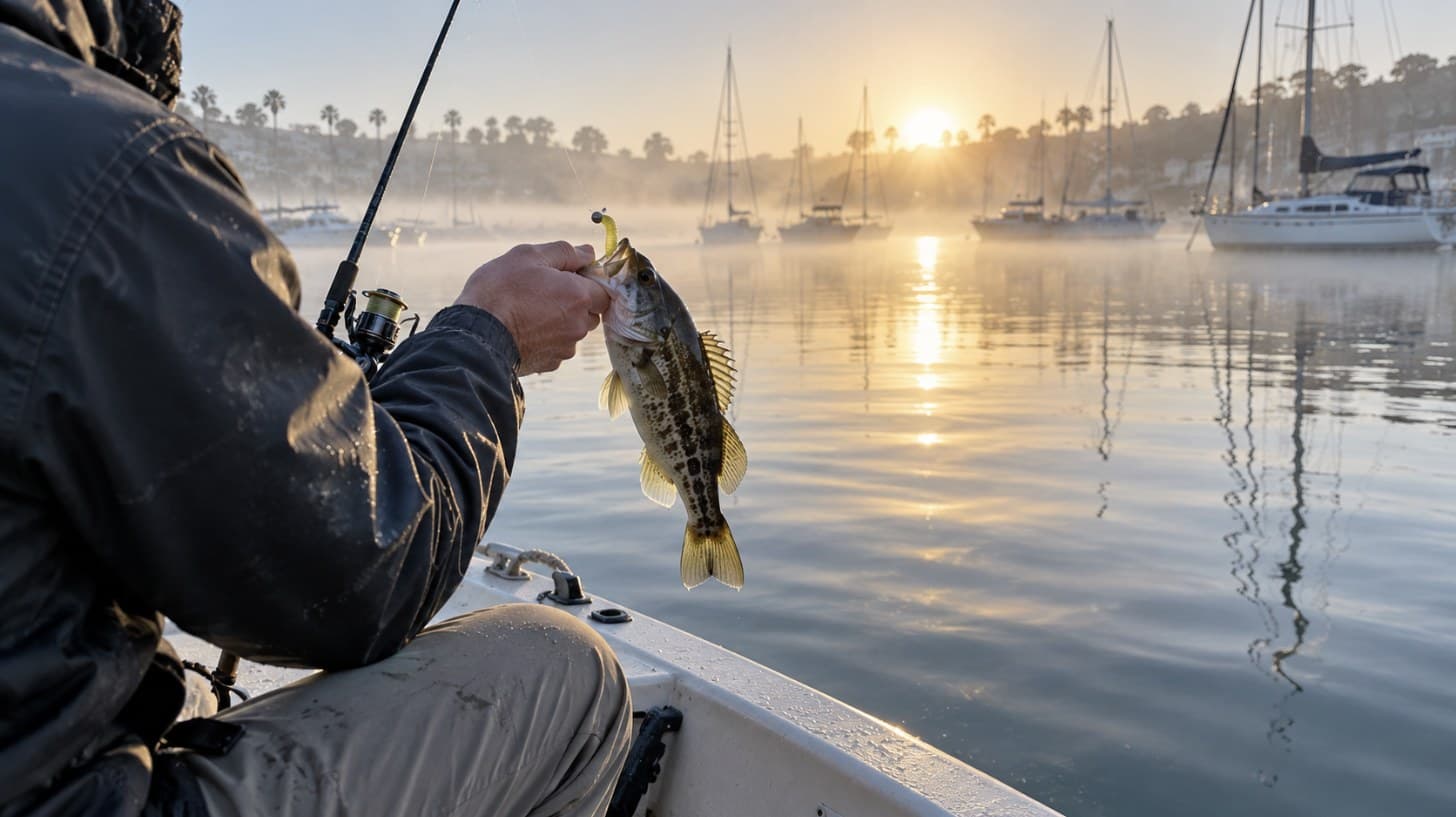
The most dependable winter fishing on the coast does not need a boat ride. San Diego Bay, Mission Bay, Newport Harbor, Alamitos Bay and the Long Beach harbor all hold fish through the cold months, and a calm winter morning on a bay can beat a rough one outside.
- Spotted bay bass. They stay in the bays all year and keep eating plastics worked slowly along the bottom, the docks and the eelgrass. Slow down when the water is cold. Spotted bay bass on light tackle has the rigging.
- Halibut. Some halibut stay in the bays and on the harbor flats through winter. Drift slowly over the sand edges with a live bait or bounce a swimbait. Drifting for California halibut covers both, and halibut from shore covers the piers and jetties.
- Bonito. In a warm year bonito can hang around the breakwaters and harbors well into the cold months. In a cool year they are gone. The water decides. How to catch bonito covers the breakwater bite.
The kelp, slower
Calico bass do not leave the kelp in winter. They slow down. As the water cools they feed less and hold tighter and deeper in the stalks, so the fast-moving summer approach gets fewer bites. Smaller plastics fished slower and deeper, and a live bait left in the strike zone longer, are the winter adjustments. Calico bass in the kelp covers how the season moves.
Sheephead and whitefish share the same reef and fill in the bag on a half day. For sheephead, see how to catch sheephead.
Squid nights at the islands
Winter is squid season. Market squid spawn on sand off Southern California from about fall into spring, and where they pile up, white seabass come to eat them. The best seabass months are spring, but a winter squid night at the islands or along the coast can produce. The commercial light boats working a stretch of water are the clearest sign the squid are there. White seabass and the squid spawn covers where and how, and the bag limits to check first.
Picking the winter days
In summer the question is where. In winter it is mostly when.
- Fish the gaps. The day or two after a front, once the wind lays down and before the swell builds again, is often the best water of the week.
- Watch the water after rain. Muddy, cold runoff pushes fish off the near-shore reefs. A day or two for it to clear is usually worth waiting for.
- Go where the water is warmest. A degree or two matters more in January than in July. The south end, the lee of the islands and the protected bays hold on longest.
- Take the weather seriously. Winter swell and wind change faster and hit harder than summer's. If it looks marginal at the dock, it will look worse in the channel.
Where Fish or Pass fits
Winter is when a conditions read saves the most fuel, because most days are not worth the run and a few are. The Bite Score reads water temperature, sea conditions, structure, bait and recent reports into a verdict of Catching, Fishing or Pass for the graded species on each grounds. In winter that is mostly rockfish, calico and the yellowtail at the south end, and on a lot of days the honest answer will be Pass.
It does not know the current groundfish rules for your trip, and it is not a navigation or safety tool. Check CDFW and the NOAA marine forecast before you go, and make your own call at the dock.