MINIMUM SIZE
None
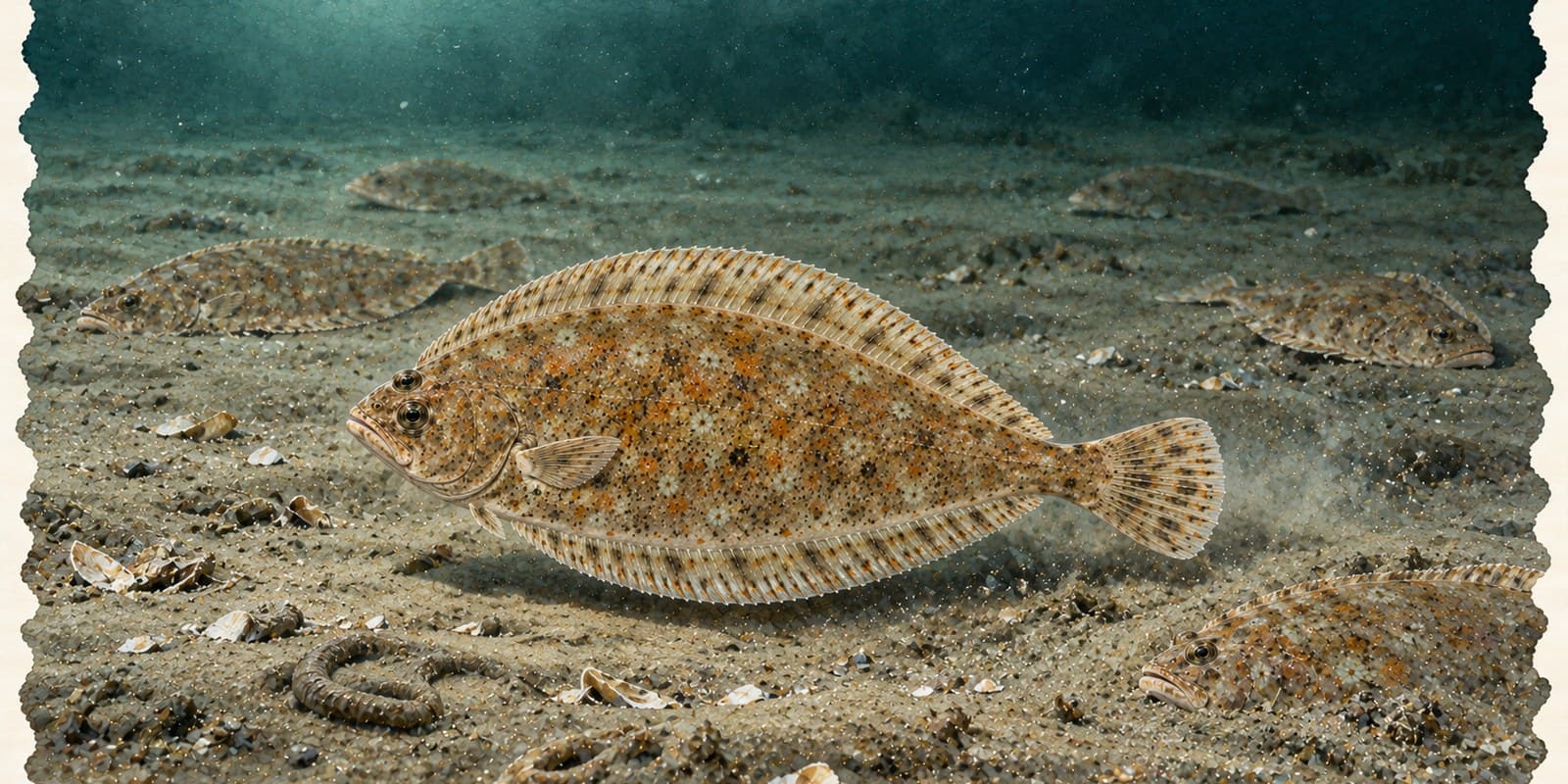
A small sand flatfish nobody plans a trip around, and that everybody is pleased to find in the bag at the end of it.
14 CCR 28.48, 27.60(b), as read on October 9, 2026. Limits, seasons and marine protected area boundaries change, so the CDFW ocean sport fishing regulations are the authority, not this page. Check them before you keep anything.
A small left-eyed flatfish, light brown and mottled, rarely much more than a pound. They live on soft bottom in deeper water than most people fish for flatfish, and they are abundant enough that a drift over the right mud will keep a rod bent the whole way.
Mud and fine sand, usually between 120 and 600 feet, off the beaches and between the hard-bottom spots. The same featureless bottom everyone motors across on the way somewhere else is full of them.
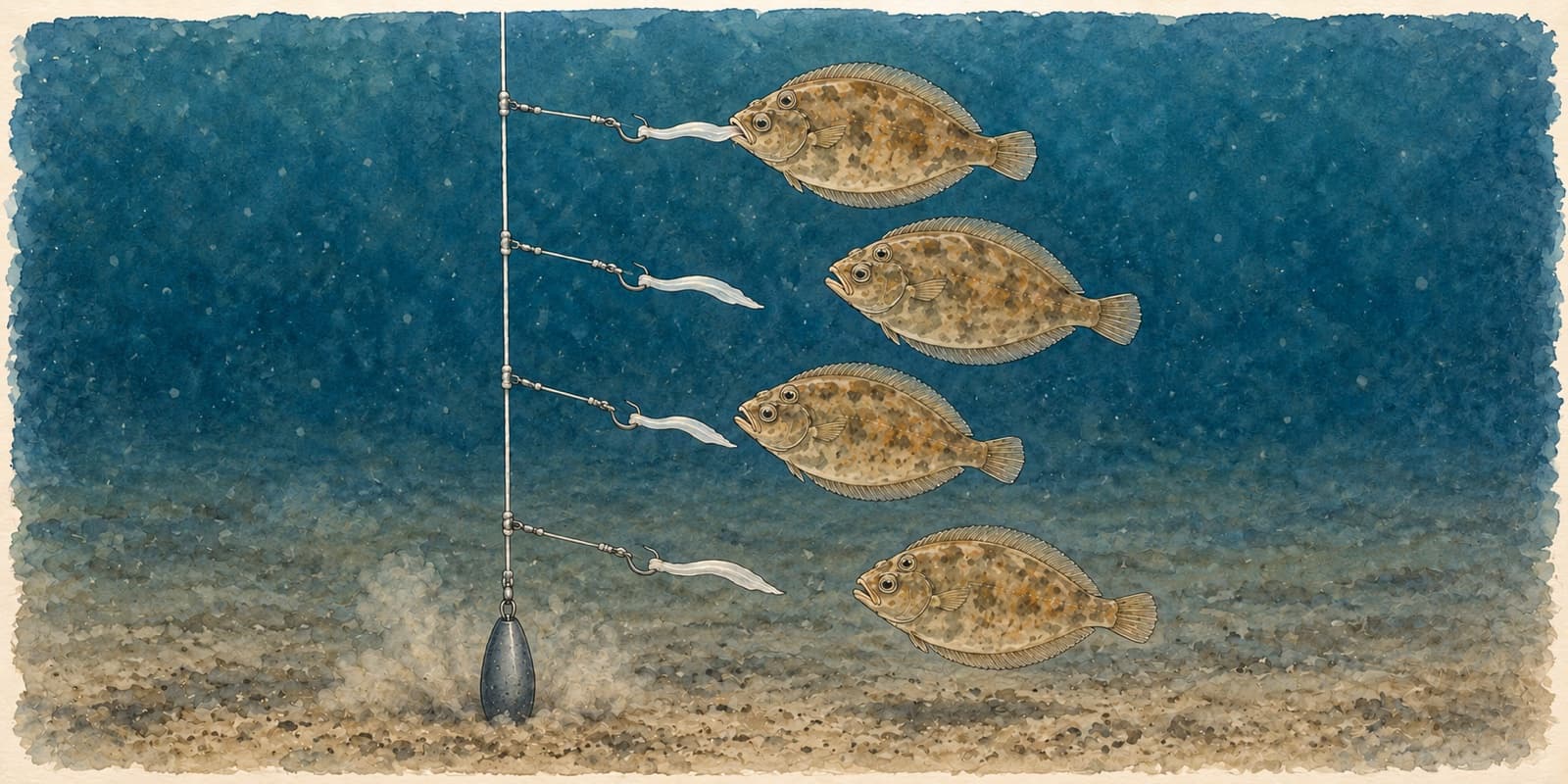
A multi-hook rig with small hooks and strips of squid, dropped to the bottom and barely moved. Doubles and triples are normal. It is the standard way to fill the last of a slow afternoon, and a good way to keep a kid interested.
This is the actual reason to catch them. Sanddabs are delicate, sweet and very good, traditionally cooked whole, pan-fried, and eaten off the bone. They have been a San Francisco and Monterey restaurant staple for a century and they are just as good down here.
Sanddabs have a small mouth that stops short of the eye, which is the quick way to tell a small one from a baby California halibut in the bag: a halibut's jaw runs back past its eye, and its lateral line arches high over the pectoral fin.
This is a profile, not a scored species. Fish or Pass grades seven fish across the Bight every day, so if you are going anyway, see what the water is doing for those.