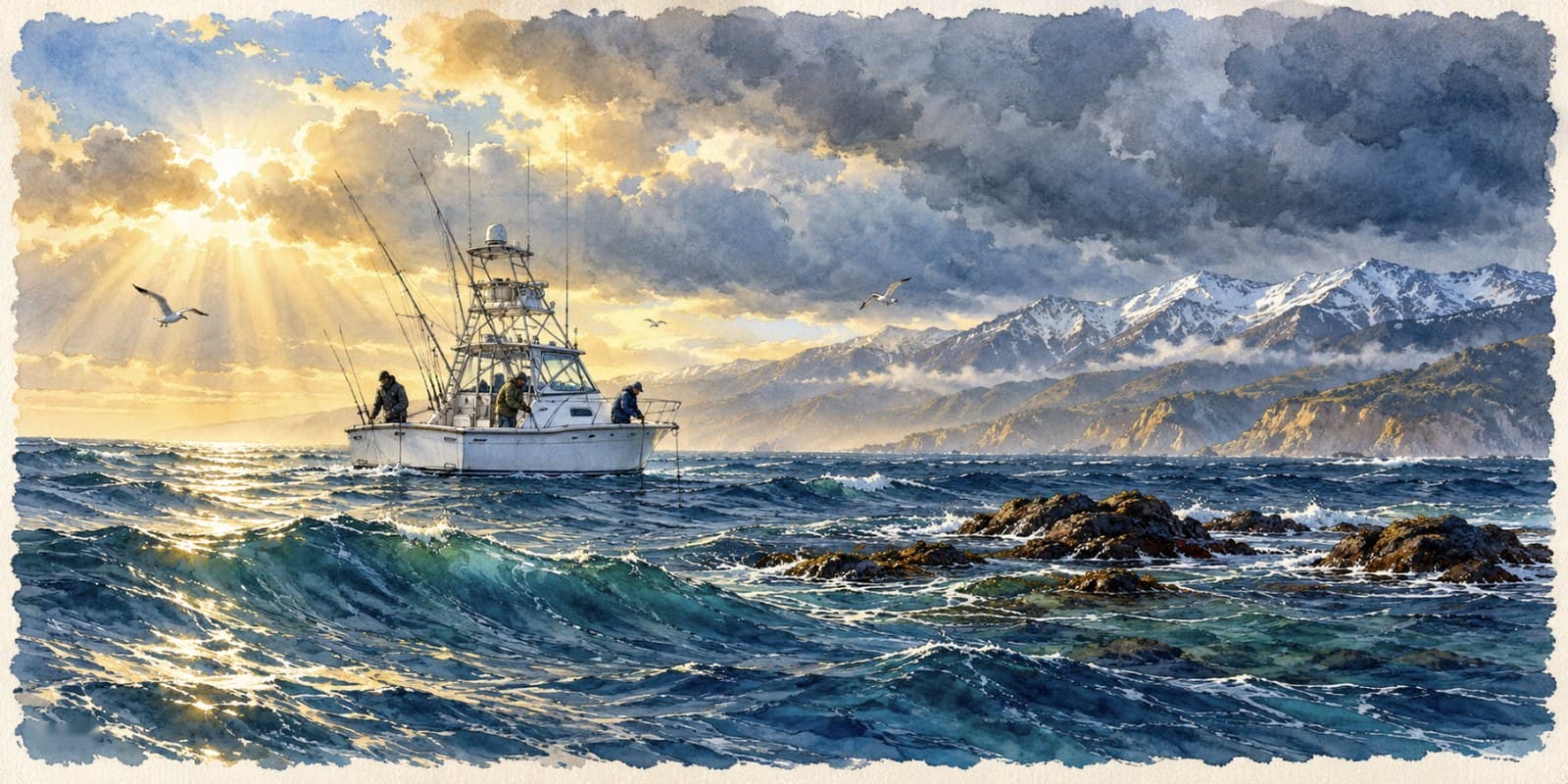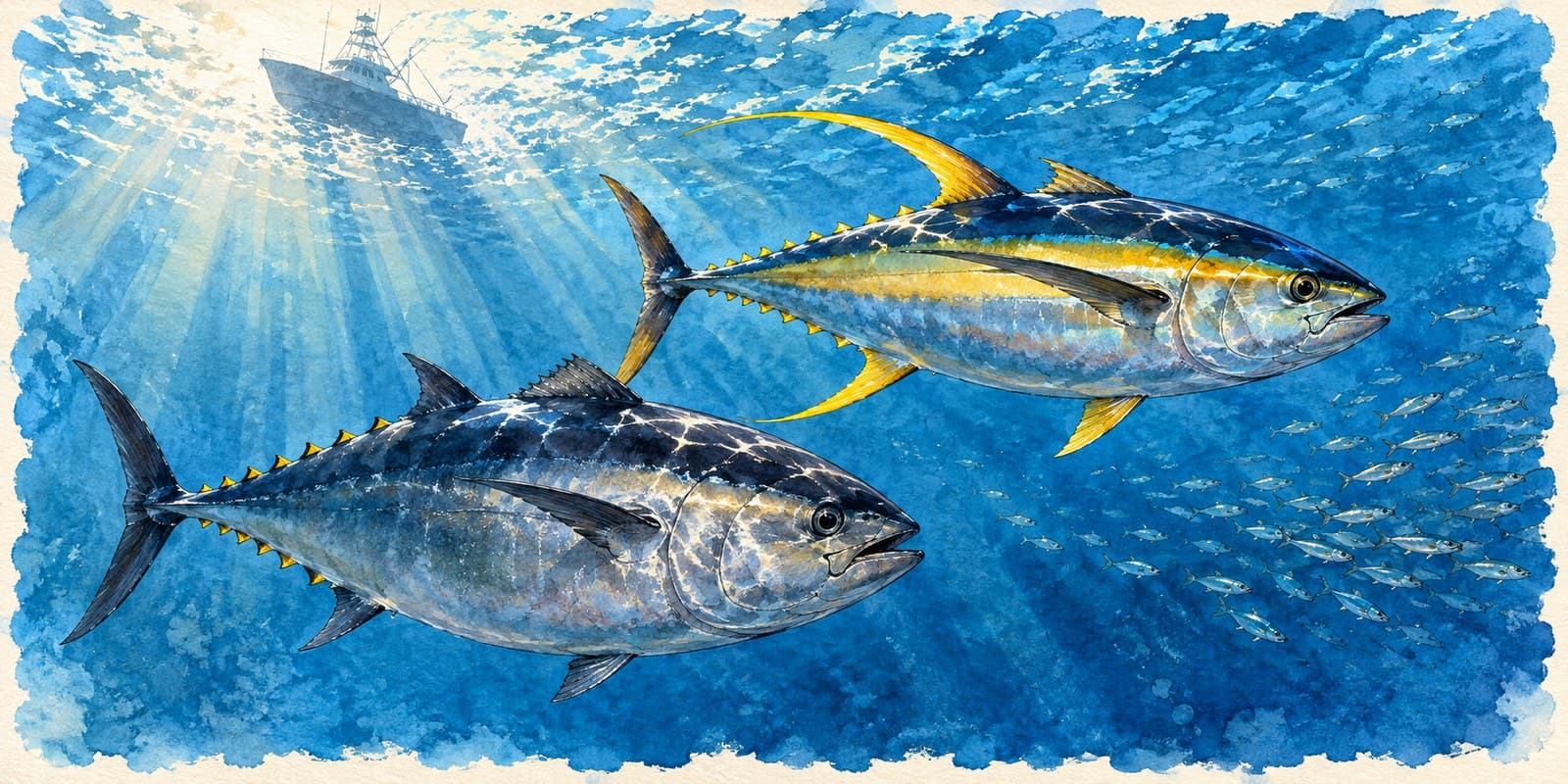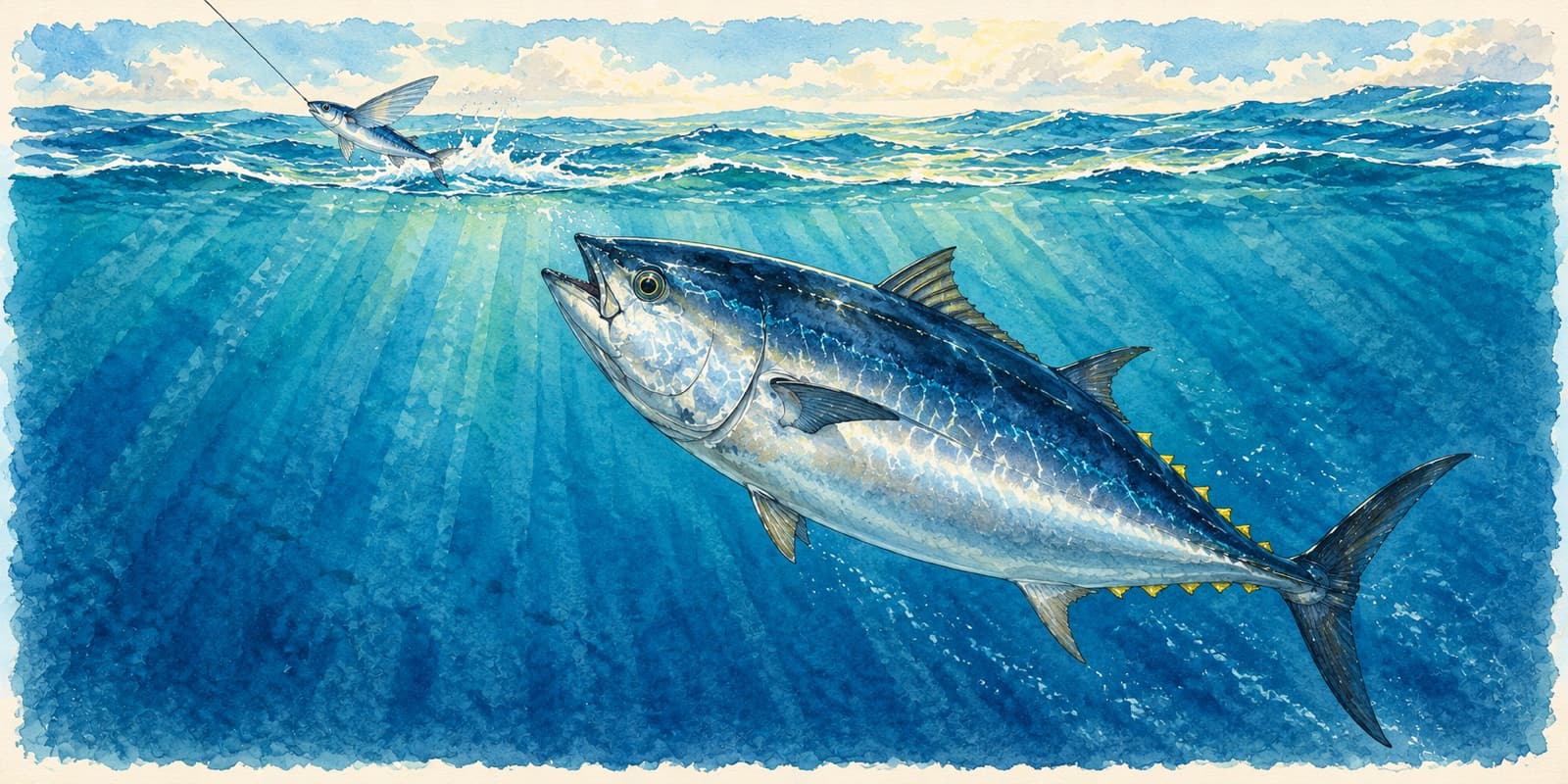
Bluefin break more tackle than any other fish in Southern California. They are line shy, so you want to fish light enough to get bit. They are strong and stubborn, so you want to fish heavy enough to land them. Every bluefin outfit is a compromise between those two, and that is why a serious bluefin angler walks onto the boat with a rod bundle, not a rod.
This guide covers the outfits that fleet anglers carry for bluefin, what each one is for, and how to pack for an overnight, a 1.5 day or a multi-day trip. It sticks to line classes and rigging, not brands. If you want the background on where and when the fish show, start with the bluefin species guide and our overview of when and where bluefin bite. For the tuna that share the same water in late summer, see fall yellowfin in Southern California.
How to think about line class
Line class is not about the size of the fish alone. It is about how the fish are feeding and how you are presenting the bait.
- Lighter line gets more bites. Bluefin see thick leaders. On a fussy day the lighter outfits on the boat are the ones that go off.
- Heavier line lands more fish. A big bluefin on light line can take a long time, run you around the boat and wear through the leader.
- The method decides a lot. A sinker rig or a heavy jig needs a heavier outfit than a fly-lined bait, because it is fished deeper and for bigger fish.
Most anglers set up a ladder of outfits, from light to heavy, and move up or down as the bite changes. Boats often post their recommended setups in their trip reports. Read them before you pack.
Fly-line outfits
Fly-lining is the standard bluefin method on a sportboat: a live sardine or mackerel on a small hook, no weight, swimming away from the boat.
- Light fly line, around 20 to 30 lb. For school-size fish and fussy days. Fluorocarbon leader to match, small hooks in the #2 to 2/0 range, and the liveliest bait you can find.
- Medium fly line, around 40 to 50 lb. For bigger fish, or when the light line is getting bit but not landing them. A 1/0 or 2/0 hook is common.
- Heavy fly line, up to 80 lb. For fish over 100 pounds when they will still take a bait on heavier line.
Circle hooks are the usual choice for fly line. They hook the fish in the corner of the mouth when you let it come tight, rather than when you swing.
Sinker rigs
When the fish are on the meter rather than on top, a sinker rig gets the bait down to them.
The common sportboat version is a rubber-band sinker. A torpedo sinker is fastened to the line with a heavy rubber band, a few feet above a fluorocarbon leader and hook. Lower it slowly so the bait does not tangle with the line. When a fish runs, the band can break or slide, and the sinker comes off or stays out of the way.
A sinker rig is usually fished heavier than fly line, often around 40 to 65 lb, because the fish down deep tend to be bigger and you have less room to play them. Carry a few sinker sizes, from a few ounces to heavier, so you can match the drift.
Fluorocarbon and connections
Fluorocarbon is the standard for bluefin. It is harder to see than monofilament and stands up better to abrasion.
- Many anglers fill reels with braid and add a long topshot of fluorocarbon or monofilament, then a fluorocarbon leader. Others use straight monofilament with a fluorocarbon leader. Both work.
- Match the leader roughly to the line class. On a fussy day, some anglers step the leader down before they step the whole outfit down.
- Learn one strong knot for each connection and tie it the same way every time. A break-off is most often at a knot.
- Check the leader after every fish and every snag. Bluefin have sharp teeth and rough skin, and a frayed leader costs the next fish.
Jigs: night and deep
Some of the best bluefin fishing happens in the dark, on heavy jigs dropped to fish holding deep.
- Flat-fall and knife jigs. These flutter on the drop and are worked back up with short pumps or a steady crank. Night trips often fish them in the 300 to 400 gram range on heavy outfits.
- Outfits. Heavy jigs are commonly fished on 80 lb or heavier, with heavy fluorocarbon leaders, because the fish that eat them are often the bigger grade.
- Assist hooks. Most of these jigs are rigged with assist hooks at the head. Check the cords and points before every drop.
Lighter jigs on a medium outfit also catch bluefin by day, especially when fish are marked deep and not taking bait. Our guide to picking jigs that get bit covers the classic surface and yo-yo iron that works on yellowtail and tuna alike.
Poppers and stickbaits
When bluefin are foaming on top, a big popper or stickbait thrown past them and worked back through the school can get bit when bait cannot keep up.
- A long, heavy spinning outfit is standard for this. It casts big lures a long way and lets you work them fast.
- Braid main line with a heavy leader handles the strike and the run.
- Check the split rings and trebles or singles before every trip.
This is a specialist method. It is worth having one outfit for it on a trip where fish are showing on top.
Kite fishing basics
On trips aimed at the biggest fish, the crew may fly a kite. The kite holds a rigged flying fish on the surface well away from the boat, so there is almost no line in the water for a bluefin to see.
- The rigs are heavy: short stand-up rods rated for 80 to 130 lb line, two-speed lever-drag reels, heavy braid and a heavy leader.
- The flying fish is rigged with its wings spread so it skips and glides like the real thing, usually with a large main hook and often a stinger hook.
- On a sportboat, the crew usually runs the kite and the rotation. Ask the landing before the trip whether you need your own kite outfit or whether the boat supplies it.
What to bring by trip length
Every boat has its own advice. Treat this as a starting point and check the landing's recent reports.
Overnight
- A light fly-line outfit, around 25 to 30 lb.
- A medium outfit, around 40 lb, for fly line or a light sinker rig.
- A heavier outfit, around 60 to 80 lb, for a sinker rig or jigs.
- Hooks in a few sizes, fluorocarbon in each line class, sinkers and rubber bands.
1.5 day
- Everything above, plus a heavy jig outfit for a night drop.
- A few flat-fall or knife jigs in the weights the boat recommends.
- Spare leader material in heavier tests.
Multi-day
- A full ladder from light fly line to 80 lb or heavier.
- A popper outfit if fish are showing on top.
- Spare spools or filled reels, extra hooks, leaders and jigs. On the outer banks you cannot run to a tackle shop.
- Ask whether you need a kite outfit or whether the boat provides it.
Whatever the trip, bring gloves, pliers, a sharpener for your hooks and a small bag for spare terminal tackle. Many landings rent tackle, but ask what line classes it covers before you rely on it for bluefin.
Where Fish or Pass fits
The Bite Score weighs water temperature and breaks, bait, kelp, recent reports from the landings and sea conditions, and turns them into a verdict of Catching, Fishing or Pass for the grounds and the day. It can help you decide whether a trip is worth booking.
It cannot tie your knots or pick your leader. Once you are on the fish, the tackle decisions are yours.
Bag limits and licence rules for bluefin change, and they differ in Mexican waters. Check the current CDFW ocean sport fishing regulations before you go.