When the surface goes quiet in Southern California, the fleet goes to the bottom. Rockfish are the fish that fill the sack on a cold, green day, when the yellowtail have left and the calico have shut down. They live on rock, they do not chase warm water, and they bite in conditions that send everything else into hiding. What they do come with is a rulebook, and that rulebook has changed more in the last few years than in the decade before.
This is a practical guide to the rockfish you will meet on a Southern California trip: which species, where they live, how the season and depth rules work, what a day on a rockfish boat looks like, and how to send back the fish you cannot keep. If you want the short version first, start with the rockfish species guide.
The fish in the sack
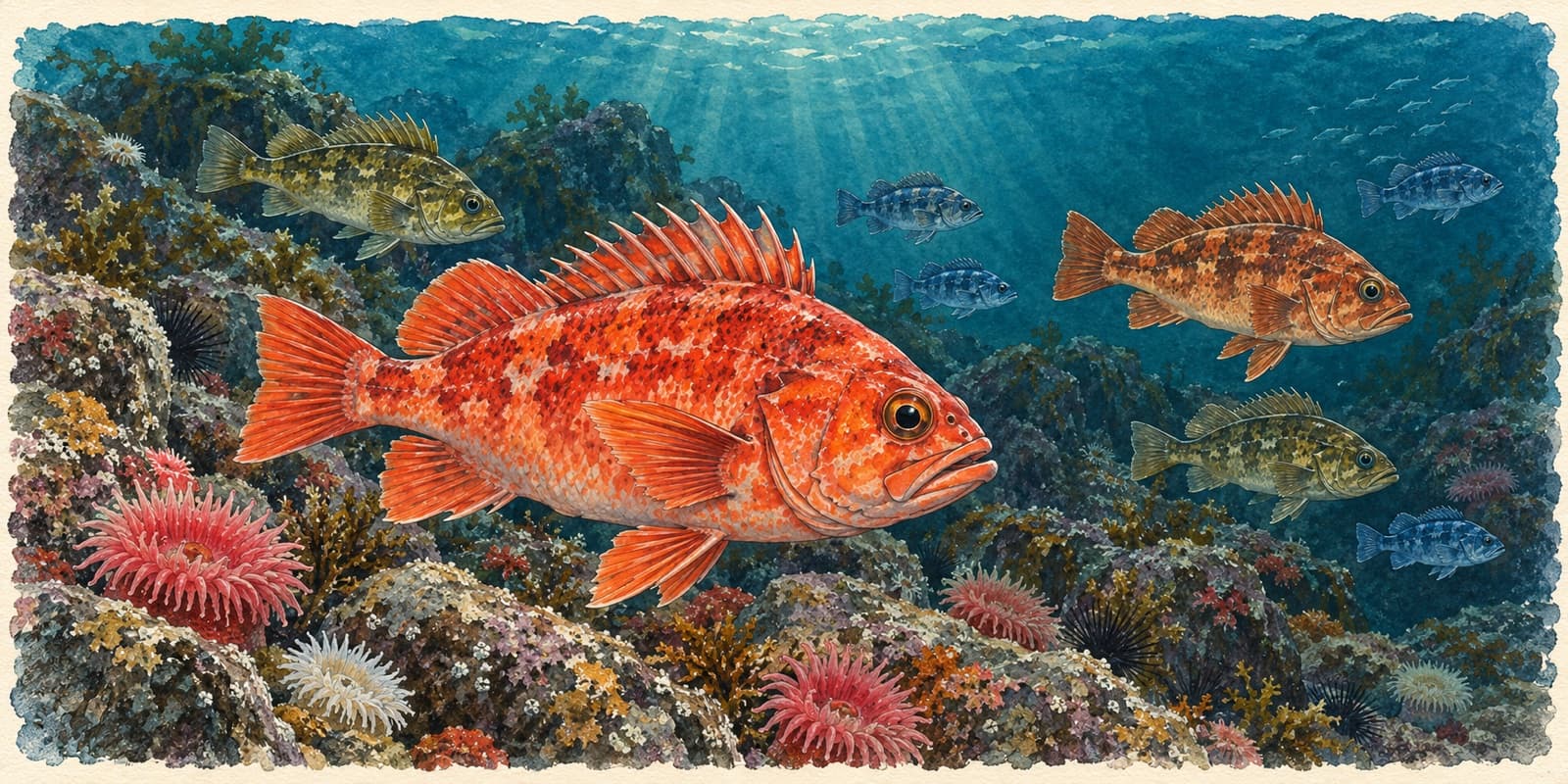
"Rockfish" is not one fish. It is a big family of Sebastes species, and a typical Southern California trip turns up a handful of them. The ones you will hear called out at the rail:
-
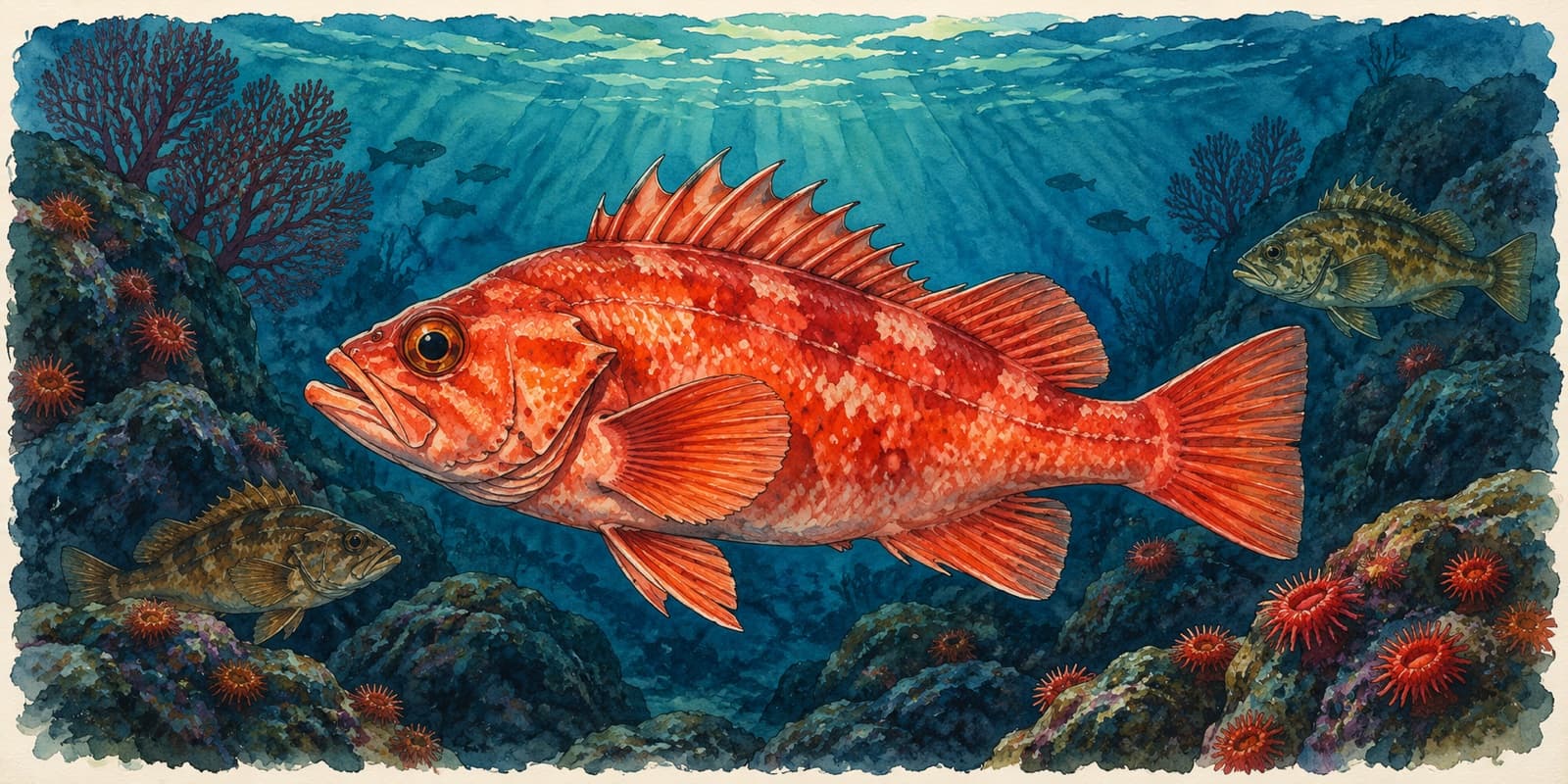
Vermilion. The bright red fish most boats simply call "reds." A close relative, the sunset rockfish, looks almost the same, and the regulations treat the two together. Managers now watch them closely.
-
Copper. Brown to copper colored with a pale stripe along the back half of the side. A reef fish that often bites in moderate depths.
-
Bocaccio. Long, big-mouthed and aggressive, often taken higher in the water column over deeper structure. They were once overfished on this coast and have come back.
-
Olive. A kelp and reef fish that often holds up off the bottom.
-
Blue. A schooling fish of shallower reefs and kelp edges, frequently caught well above the rock.
-
Chilipepper. A slim, pinkish fish of deeper water that tends to come up several at a time.
-
Starry. Red-orange with white spots, a deep-reef fish that turns up on the banks.
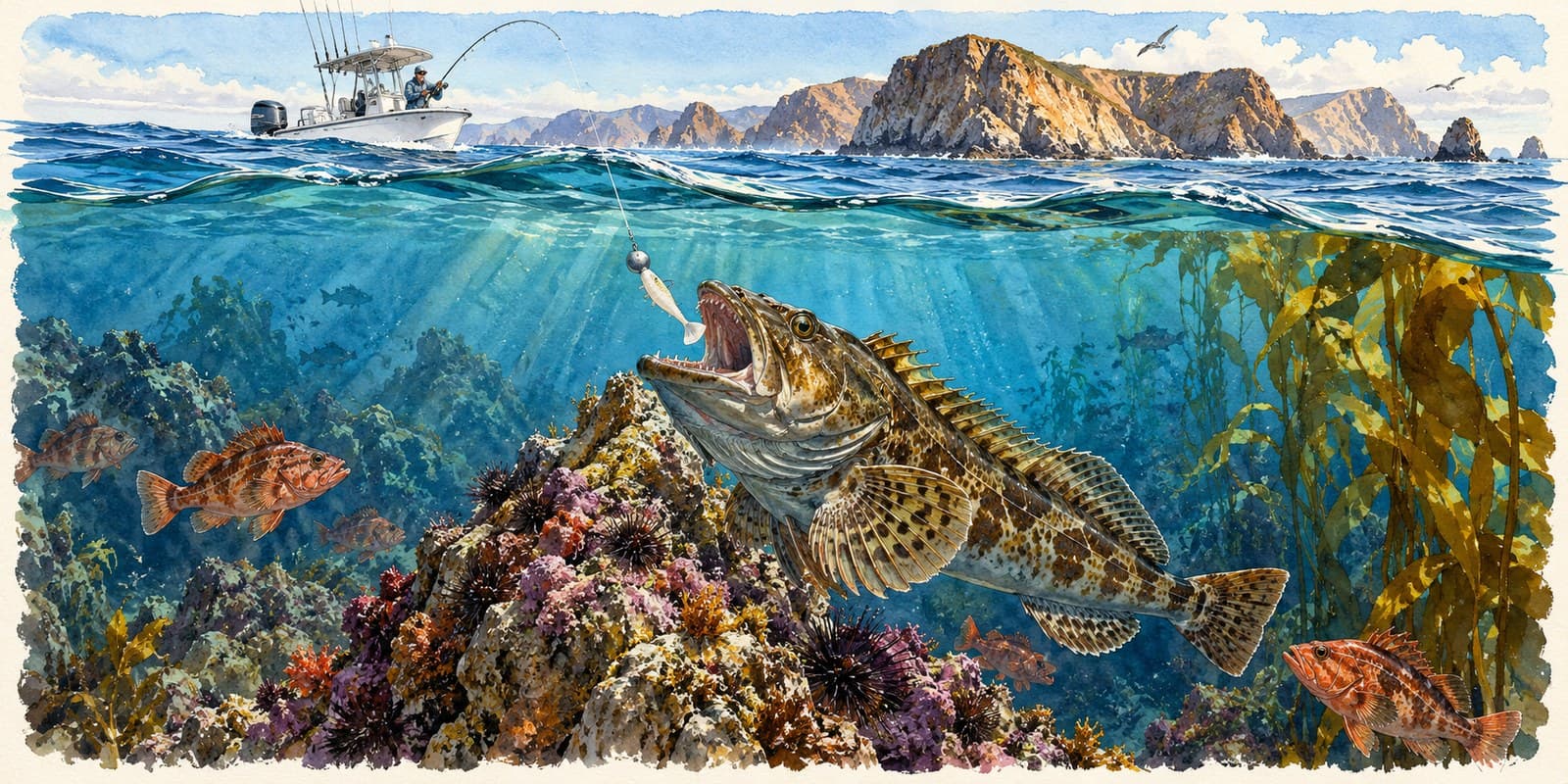
Riding alongside all of them is the lingcod. It is not a rockfish at all but a greenling, with a mouth full of teeth and a habit of grabbing rockfish on the way up. Lingcod are managed with the groundfish and carry their own limits.
Where they live: reefs, high spots and islands
Rockfish are a structure fish. They hold on rocky reef, pinnacles and hard bottom, and the shape of the bottom matters far more than the water temperature above it.
That means three kinds of water:
-
Mainland reefs and high spots. Rock piles and ridges off the coast, often within a short run of the harbor.
-
The islands. Santa Cruz, Anacapa, Santa Rosa, San Miguel and the rest of the Channel Islands are surrounded by hard bottom. The north end of the Bight, out of Santa Barbara and Channel Islands Harbor, is some of the best rockfish and lingcod water in the state. Our post on rockfish at the north end covers those reefs.
-
The deep banks. Offshore high spots that rise out of deeper water and hold the shelf species, such as chilipepper and starry.
Depth sorts the species. Blues and olives live shallow and often float above the reef. Vermilion and copper span a wide range. Bocaccio, chilipepper and starry belong to deeper rock. Most rockfish fishing happens from around a hundred feet down to several hundred.
How the season and depth rules work
Rockfish are long-lived and slow to replace, so the California Department of Fish and Wildlife manages them tightly. The details change every year, so read this as how the system works, not what it says today.
-
A calendar. The groundfish season in the Southern Management Area, which runs from Point Conception to the Mexican border, opens and closes on set dates. In recent seasons the first part of the year has been closed.
-
A depth line. For much of the open season, CDFW draws a line along the bottom contour and allows fishing on only one side of it. In some periods you must stay inshore of the line. In others the shallow reef is closed and only the deeper water is open. The line moves the fleet, and when it moves, the grounds that make sense move with it.
-
A combined bag with sub-limits. Rockfish, cabezon and greenlings count toward one combined limit, with smaller sub-limits for some species inside it. Lingcod have their own.
-
Fish you cannot keep at all. A short list of species, including cowcod, is closed to retention. Learn what they look like.
The recent changes are the reason to check every trip. In 2023, catches of quillback rockfish, a northern species, ran over federal limits and cut short much of the state's season. For 2024, the vermilion sub-limit was reduced to protect that species, and descending devices became mandatory aboard boats fishing for groundfish. Read the CDFW groundfish regulations summary for the current calendar, depth rules and limits, and the CDFW groundfish page for the background on why they change.
What a rockfish trip looks like
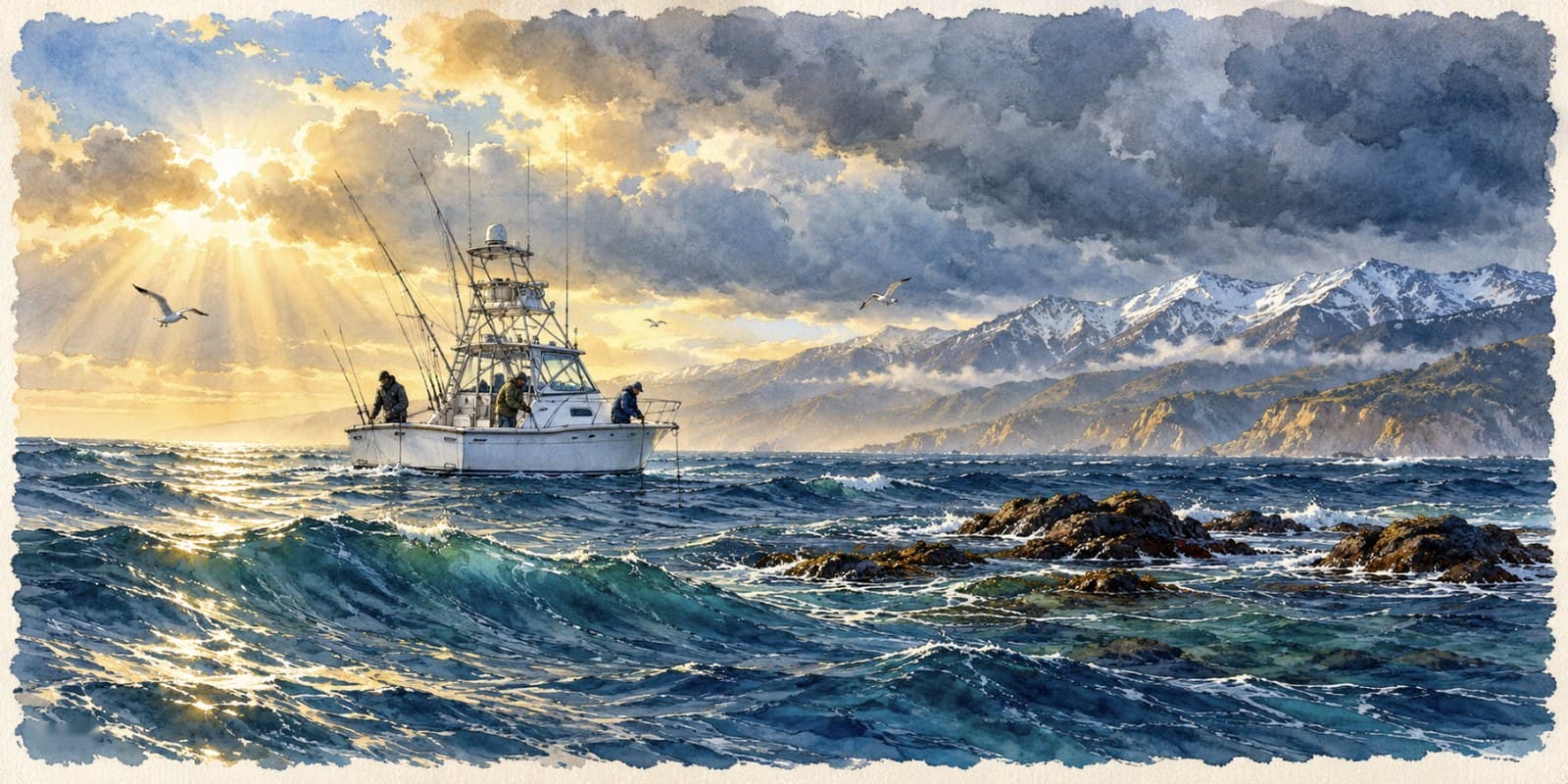
On a sportboat, a rockfish trip is a drifting trip. The captain runs to a piece of rock, positions the boat up-current or up-wind of it, and calls for lines down. Everyone drops at once so the lines stay together. You fish while the boat drifts across the structure, and when it slides off the rock the captain calls lines up, runs back up, and sets up the drift again.
Your job:
-
Get to the bottom and stay in touch with it. Let the rig hit, take up slack, and lift a few feet so the sinker ticks the rock instead of dragging in it.
-
Keep adjusting. Bottom depth changes through a drift. If you stop feeling the sinker, let out line. If you hang up, lift.
-
Wind steadily. On the way up, a lingcod may grab a hooked rockfish. Keep winding and have a gaff ready.
The usual rig is a dropper loop with shrimp flies or squid strips and a sinker heavy enough to hold bottom. Landings rent tackle, and the crew will tell you what weight the boat is fishing.
Winter vs summer
Rockfish do not migrate with the water, so the seasonal difference is mostly about the rules and the weather.
In the warm months, the boats split their time. Rockfish make up the bottom half of a mixed trip, and the depth rules have often kept the open fishery on shallower reef. Calm summer mornings make the island runs easy.
In fall, when the surface species fade, rockfish become the main event for the northern fleet. That is also when the depth rules have recently pushed the open fishery onto deeper ground, so expect longer drops and heavier sinkers. Lingcod often feed well in the cooler water.
In the closed months early in the year, rockfish are off the table in California waters. Some San Diego boats fish across the border, where Mexican rules apply and everyone fishing needs a Mexican fishing license. The Coronado Islands post covers that line.
Barotrauma and descending devices
Bring a rockfish up from deep water and the gas in its swim bladder expands. That is barotrauma. You will see it as bulging eyes, a stomach pushed out of the mouth, or a fish that floats on the surface and cannot swim down. It looks fatal. Often it is not.
A fish returned to depth can recompress and recover. That is what a descending device does. It clamps the fish's lip or holds it on a barbless hook, and you lower it on a weighted line until it is deep enough, then release it. CDFW recommends descending over venting, which means puncturing the fish to let gas out and commonly injures or kills it.
A descending device is now required aboard boats fishing for groundfish. Use it for every fish you release: undersized fish, species you cannot keep, and anything caught over your limit. The CDFW barotrauma and descending device page shows the options, from commercial clips to a weighted milk crate.
Where Fish or Pass fits
The Bite Score grades the conditions for rockfish across the grounds each day and calls them Catching, Fishing or Pass. For a structure fish, the score leans on habitat: hard bottom, relief and depth, along with sea conditions and recent landing reports. Areas where fish and game rules may apply carry a caution flag, but the score does not tell you what is open on a given day. That is CDFW's call, and your chart's. It also cannot drop the rig for you, and it cannot make a reef full of fish bite on a slow tide.
Before you go, check the current CDFW ocean fishing regulations, because the rockfish rules are the ones most likely to have changed since your last trip.